
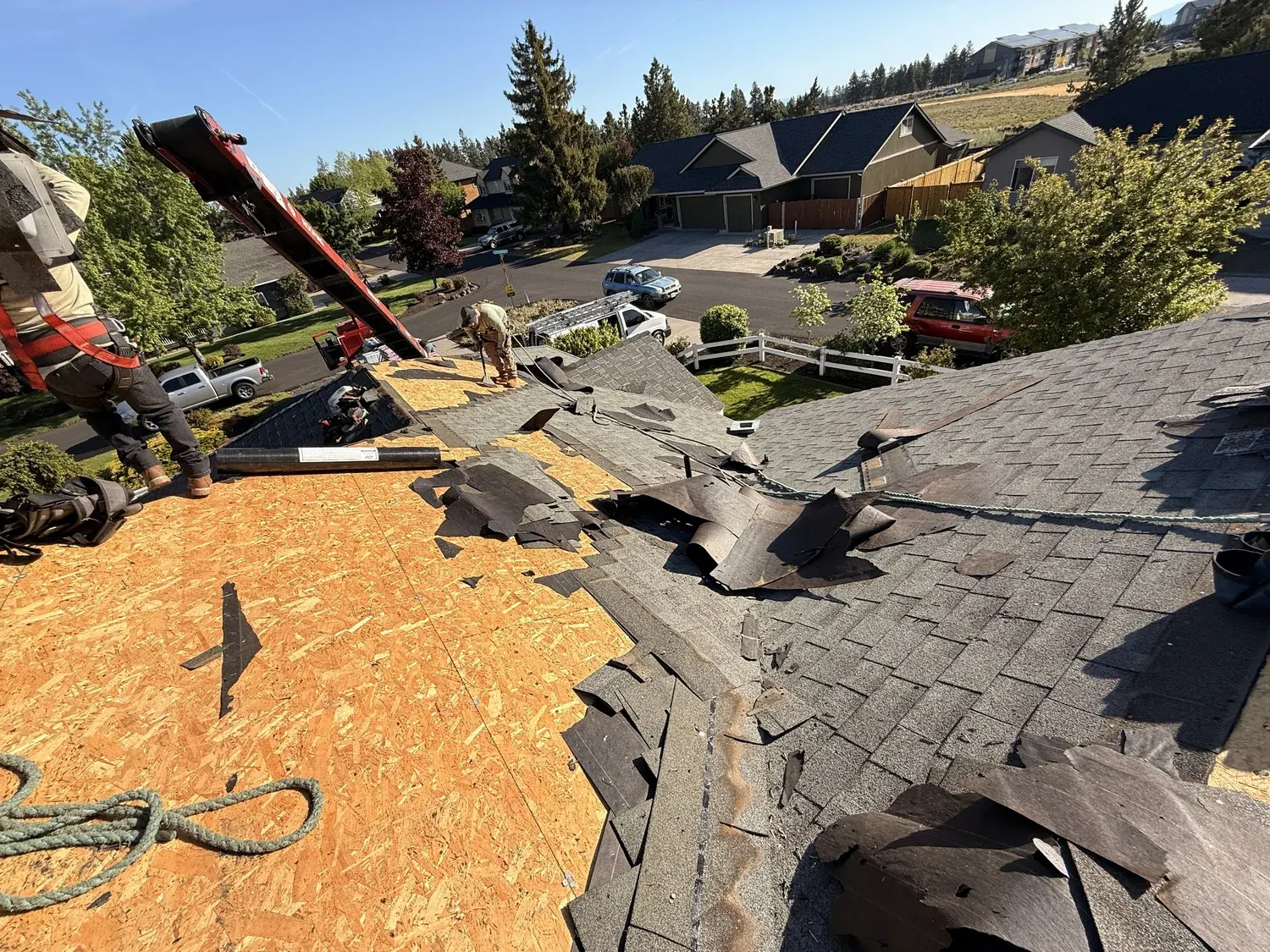
Hail Damage Roofing Inspections & Restoration
A roof can look fine from the ground after hail and still have damage up close. Hail affects each material differently, and not every mark means the roof needs to be replaced.
What Does Hail Damage Look Like?
Metal roofingExterior storm damage
| Component | What hail can do | Why it matters |
|---|---|---|
| Asphalt shingles | Bruises, dark spots with displaced granules, cracked or fractured mat | Exposed asphalt ages faster; fractures can let water in |
| Metal roofing | Dents in panels, dented seams, cracked coating | Dents may be cosmetic; coating or seam damage can be functional |
| Tile | Cracked, chipped or broken tiles | Broken tiles expose the underlayment beneath |
| Vents & soft metals | Dents on vent caps, pipe jacks, flashing | Helps confirm hail size and direction; damaged vents can leak |
| Gutters & downspouts | Dents, split seams, bent hangers | Can affect drainage and appearance |
| Siding & exterior | Spatter marks, cracks, holes, chipped paint | Usually worst on the storm-facing side |
Asphalt Shingles
On shingles, hail leaves round or irregular marks where granules were knocked loose. Look closely and the spot may feel soft, like a bruise, because the mat underneath was fractured.
- Impact marks: dark spots in a random scatter
- Granule displacement: granules missing from the impact point, often collecting in gutters
- Mat exposure: black asphalt or fiberglass visible where granules are gone
- Cracking: fractures through the shingle, sometimes radiating from the impact
- Bruising: a soft spot under the surface, found by touch rather than sight
Exposed asphalt ages faster in sun, and fractures can open further through freeze-thaw cycles. See asphalt shingles.
Metal Roofing
Hail dents metal easily. The question is whether the dent affects how the roof sheds water or only how it looks.
Your policy may treat cosmetic metal damage differently from functional damage; your carrier decides. See metal roofing.
| Condition | Usually | Why |
|---|---|---|
| Dents with intact finish | Cosmetic | Panel still sheds water |
| Cracked or chipped coating | Can be functional | Exposed metal may corrode over time |
| Dented or distorted seams | Can be functional | Seams are where water resistance depends on shape |
| Damaged trim or flashing | Often functional | Openings at edges and transitions |
Tile
Tile can chip, crack or break under hail. Broken pieces expose the underlayment, which is the real water barrier on a tile roof.
- Chips at corners and edges
- Hairline cracks that may not be visible from the ground
- Broken or displaced pieces
Walking a tile roof can break more tiles, so inspection access is chosen carefully. See tile roofing.
Exterior Indicators
Softer materials around the house often show hail more clearly than the roof does, and help confirm hail size and direction.
- Gutters and downspouts: dents and split seams
- Roof vents and pipe jacks: dents on caps and flashing
- Soft metals: window wraps, fascia metal, AC fins
- Siding: cracks, holes or spatter marks on the storm-facing side
- Trim: chipped paint and split edges
Hail Damage vs Normal Roof Wear
Age, foot traffic, blistering, manufacturing defects and mechanical damage can look like hail. The difference is in the pattern and the details.
| Sign | More consistent with hail | More consistent with wear |
|---|---|---|
| Pattern | Random impacts across exposed slopes | Even aging across the roof, or concentrated where people walk |
| Granules | Displaced in a round spot, mat may be bruised | Gradual thinning, heavier on sun-facing slopes |
| Soft metals | Matching dents on vents, gutters and flashing | No corresponding dents |
| Direction | Worse on the slope facing the storm | No clear directional pattern |
Can Hail Damage Be Repaired?
Often, yes. When impacts are limited to a small area and the surrounding roof is still flexible and sealed, damaged shingles, tiles, vents or flashing can be replaced.
Repair gets harder when the roof is older and brittle, when matching material is no longer available, or when damage is spread across multiple slopes.
Does Hail Damage Always Mean Roof Replacement?
No. Replacement is one possible outcome, not an automatic one. It becomes more reasonable when damage is widespread, repairs would not hold, or the roof was already near the end of its service.
- Isolated impacts on a sound roof: usually repair
- Dented metal with intact coating: often cosmetic
- Widespread bruising across slopes: replacement worth discussing
- Brittle, older shingles with new damage: replacement worth discussing
Should I Have My Roof Inspected After Hail?
If hail was large enough to dent cars, gutters, outdoor furniture or vents, an inspection is a good idea. Hail damage is easy to miss from the ground, and small fractures can let water in months later.
Along the Wasatch Front, including Salt Lake City, Sandy, Draper and South Jordan, summer thunderstorms bring hail more often than anywhere else we serve.
Hail Damage in Salt Lake City & the Wasatch Front
Of the areas DryInside serves, the Wasatch Front is where hail inspections come up most. Spring and summer thunderstorms can move quickly along the valley, and damage can vary a lot from one neighborhood to the next.
Because hail paths are narrow, a neighbor's roof tells you little about yours. Dented cars, gutters or outdoor furniture are reasons to schedule a closer look.
Local pages: Salt Lake City hail damage, the Wasatch Front hub, and the Utah hail damage guide. For Central Oregon, see Bend hail damage.
Salt Lake City hail damageWasatch FrontUtah hail damage guide
What Happens During a Hail Damage Inspection?
We look at the whole roofing system, not just one spot, and document what we find so you can make a clear decision.
- 1. Ask what you saw and when the storm happened
- 2. Check soft metals, gutters and exterior surfaces for hail indicators
- 3. Inspect each accessible slope for impacts
- 4. Separate hail impacts from wear or other damage
- 5. Photograph noteworthy conditions
- 6. Explain repair, replacement or monitoring options
The Insurance Process
If the inspection finds hail damage, you decide whether to contact your insurer. DryInside can share photos and roofing scope information and meet an adjuster when appropriate. Your carrier decides coverage, approval and payment.
Insurance claim assistanceWhat does hail damage look like?Hail damage vs roof wear
In Salt Lake City & the Wasatch Front
Summer thunderstorms bring hail to the Wasatch Front at times. See our Salt Lake City hail damage guide.
In Bend & Central Oregon
Hail is occasional in Central Oregon. See how inspections in Bend separate impact damage from UV wear.
Storm Damage Across Our Regions
Weather patterns differ across the areas we serve, so the evidence we look for changes too.
Salt Lake City & the Wasatch Front
Summer thunderstorms with hail, canyon wind events and heavy winter snow. The most frequent storm inspection area we serve from the Farmington office.
Learn moreBend & Central Oregon
Heavy snow, ice dams, freeze/thaw cycles, wind and occasional summer hail. Served from the Bend office.
Learn moreMoab & Southeastern Utah
Sudden monsoon storms, strong wind, intense UV and large temperature swings that stress already-aged materials.
Learn moreRegional Hubs
See the communities we serve across the Wasatch Front, Central Oregon and Southeastern Utah.
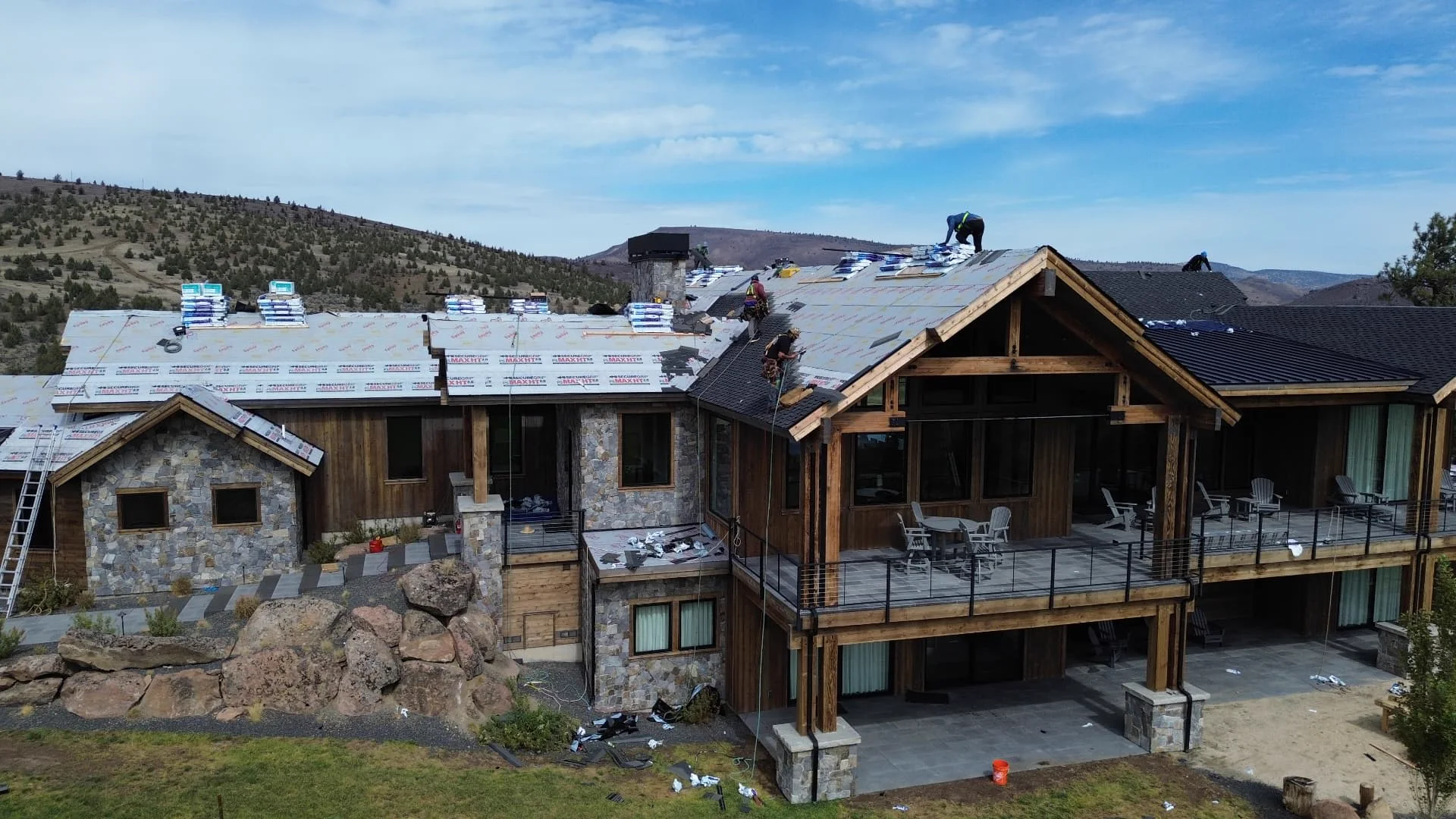
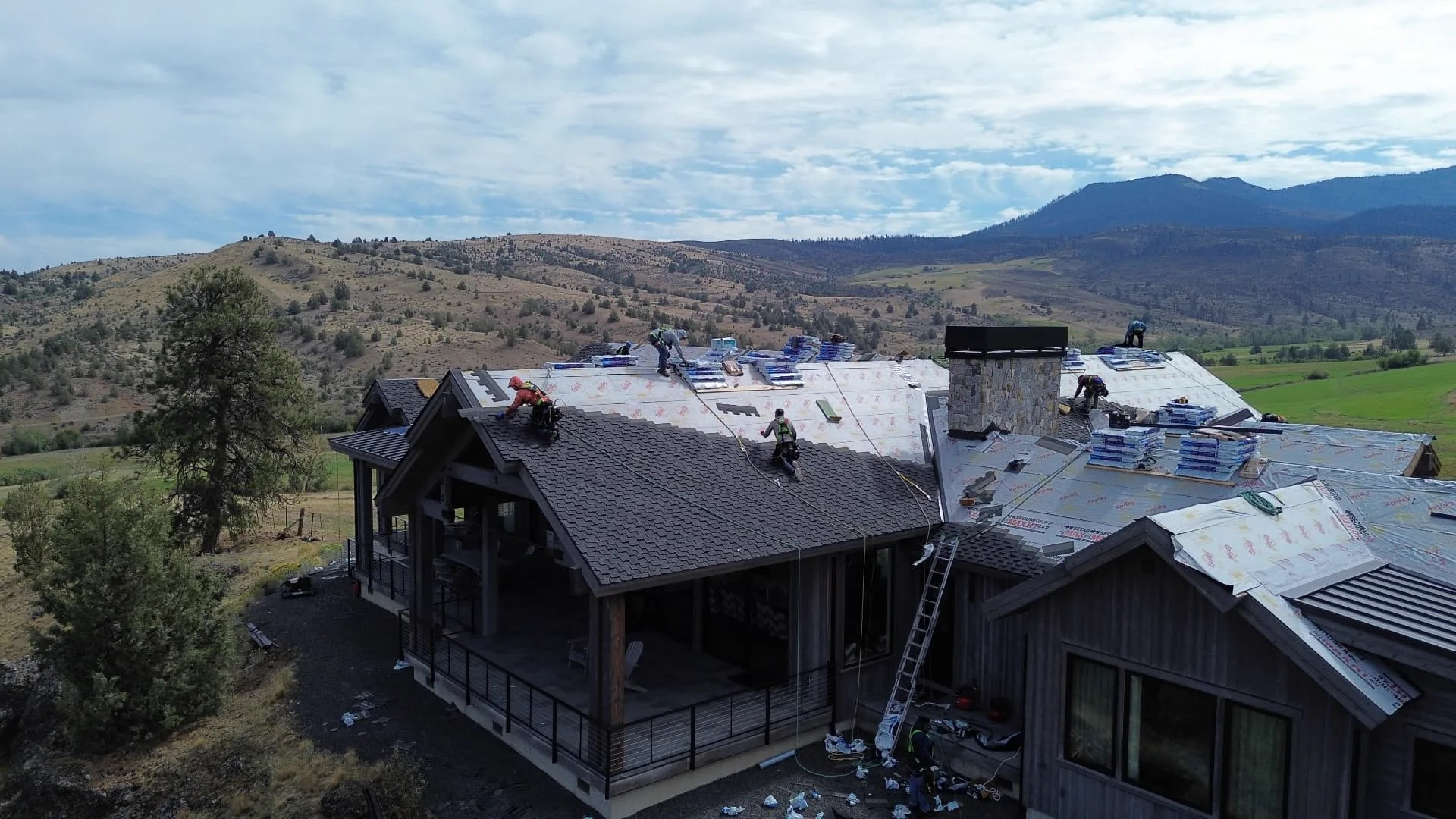
Learn moreRecent DryInside Roofing Work
View Gallery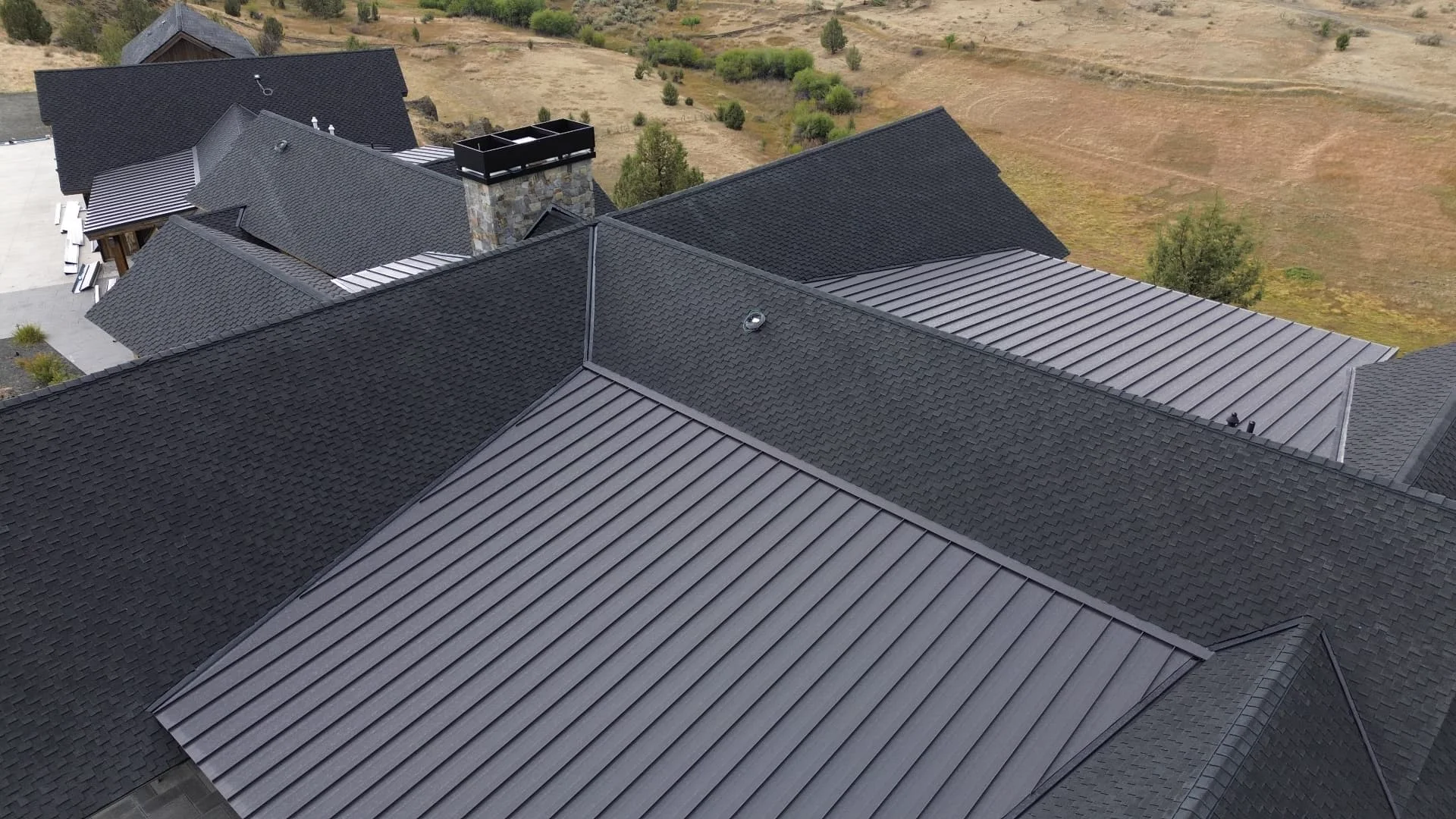
Frequently Asked Questions
How big does hail need to be to damage a roof?
It depends on the material, its age and the wind. Smaller hail can damage older or brittle roofing; newer or impact-rated materials may resist larger hail. An inspection is more reliable than hail size alone.
Can hail damage cause leaks later?
Yes. Fractured shingles and damaged flashing may not leak right away but can let water in over time as materials age.
Is a dented metal roof damaged?
Not always functionally. Dents with an intact coating are often cosmetic. Cracked coatings, dented seams or damaged flashing can affect performance.
Does DryInside guarantee insurance approval?
No. DryInside inspects and documents observed conditions. Your insurance carrier determines coverage, claim approval and payment.
Not Sure What Your Roof Needs?
Schedule a free roof inspection. We'll document what we find and explain your options clearly.
Learn more about DryInside, your local roofing contractor, and how we document storm damage before any work begins.