
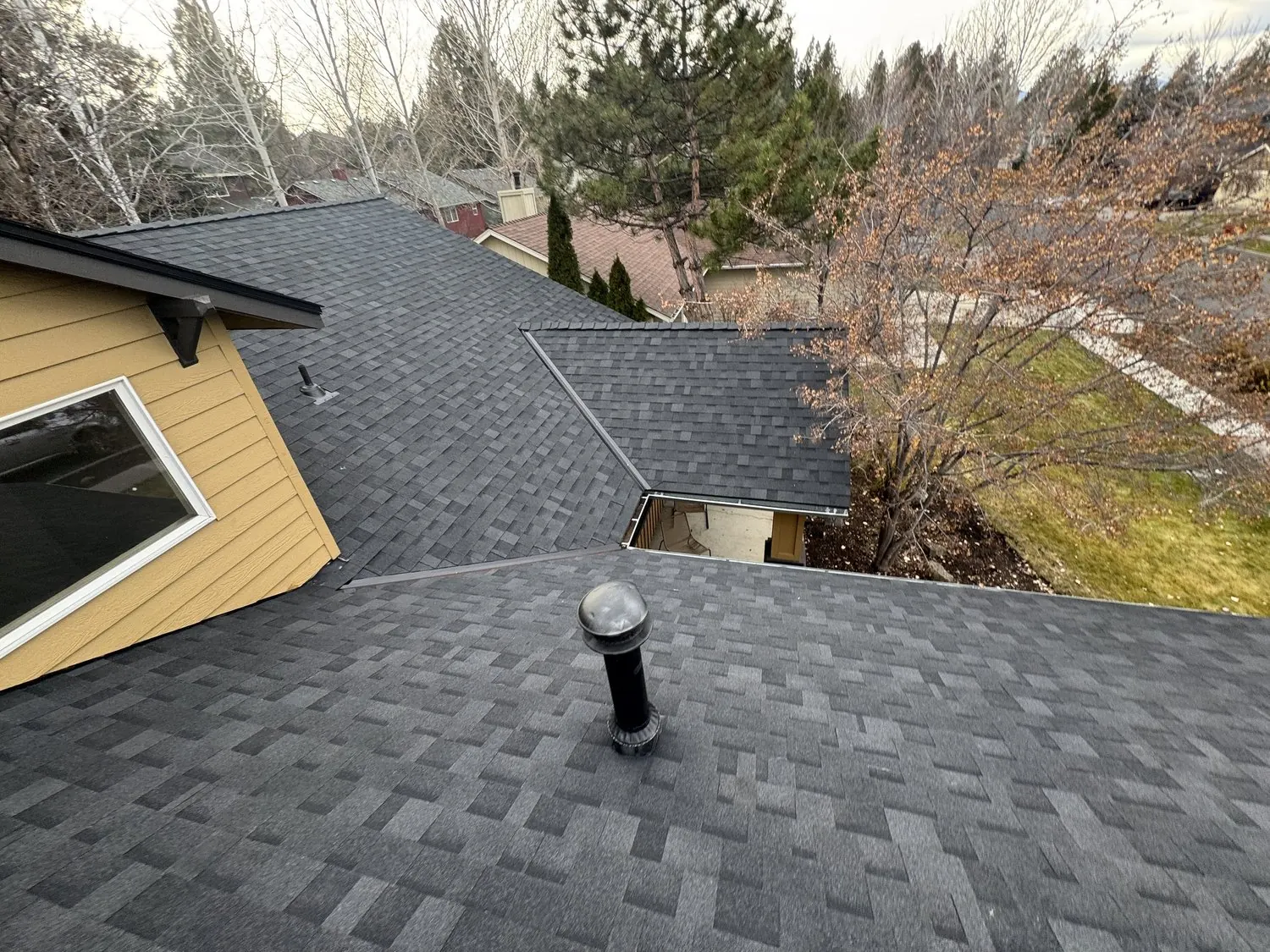
Salt Lake City Roofing & Exterior Services
Roof repair, replacement, hail and storm restoration, metal and commercial roofing from DryInside's Farmington office: 240 N. East Promontory, Suite 200, Farmington, UT 84025 · (801) 400-4719.
Our Utah Office in Farmington
From Farmington, the Utah team serves the Wasatch Front, from Ogden and Layton in the north to Draper and Herriman in the south, and supports the Moab service area in southeastern Utah.
Roofing Across the Salt Lake Valley
DryInside works with homeowners, property managers and commercial owners across Salt Lake City and the wider Wasatch Front on roof repair, replacement, hail and storm restoration, metal roofing and commercial roofing.
Salt Lake roofs cope with a wide range of conditions in a single year: snow and freeze/thaw in winter, wind and rain in spring, intense sun and heat in summer, and thunderstorms that can bring hail.
A useful recommendation looks at how those seasons affect your particular roof (its age, pitch, exposure, attic and details) rather than defaulting to replacement.
A Roof Through Four Salt Lake Seasons
Salt Lake City roofs don't face one dominant threat. They face a different one every season, and each leaves its own marks.
Winter
Snow, freeze/thaw cycles and ice at eaves and valleys. Inversions can keep roofs cold and snow-covered for long stretches.
Learn moreSpring
Rain, wind and big temperature changes. Snowmelt reveals winter damage; spring storms test flashing.
Learn moreSummer
Heat and intense UV at 4,200+ feet dry out asphalt, sealants and pipe boots, especially on south and west slopes.
Learn moreSevere Weather
Hail, strong wind and thunderstorms, mostly spring through late summer, cause the most sudden roof damage.
Learn moreWinter: Snow, Freeze/Thaw and Ice
Snow on the benches and in the valley sits on roofs for days. Sunny afternoons melt the surface, then cold nights refreeze it.
- Water enters small gaps at flashing and nail heads, freezes and widens them
- Ice dams form at cold eaves, especially over poorly ventilated attics
- Ice and sliding snow bend gutters and damage lower roofs
- Low-slope sections hold snow and meltwater longest
Winter Details: Ventilation, Flashing and Drainage
Most winter leaks trace back to three things.
| Detail | What goes wrong | What helps |
|---|---|---|
| Ventilation | Warm attic melts snow from below, feeding ice at the eaves | Balanced intake and exhaust; attic air sealing by the right specialist |
| Flashing | Freeze/thaw opens gaps at chimneys, walls and skylights | Properly lapped step and counter flashing instead of surface sealant |
| Drainage | Frozen gutters and blocked valleys push meltwater under roofing | Clear gutters and valleys; ice-and-water membrane at eaves |
Spring: Rain, Wind and Temperature Changes
Spring is when winter damage shows up. Leaks that stayed frozen start dripping, and wind storms find the shingles freeze/thaw loosened.
Summer: Heat and UV
At this elevation, UV exposure is strong. Asphalt shingles lose granules and turn brittle faster on sun-facing slopes, and rubber pipe boots crack.
Thermal Movement
Big daily temperature changes make roofing materials expand and contract. Over years, that movement loosens fasteners, cracks rigid sealant and stresses flashing joints.
Metal roofs need clips and panel lengths that allow movement. Shingle roofs depend on good ventilation to limit attic heat that speeds aging.
Severe Weather: Hail, Wind and Thunderstorms
Summer thunderstorms along the Wasatch Front can bring hail, heavy rain and sudden gusts. Canyon winds and storm gusts lift shingles and trim.
Does Hail Damage Always Mean My Roof Needs Replacement?
No. Hail can leave anything from cosmetic marks to widespread functional damage. The answer depends on the size and density of impacts, the roofing material and the roof's condition before the storm.
On asphalt shingles, damage that matters usually shows as bruises where the mat is fractured or granules are knocked away, exposing the asphalt. A few scattered impacts on a sound roof are often repairable. Consistent damage across multiple slopes, or damage on an already aging roof, is more likely to justify replacement.
On metal, dents with intact coating are usually cosmetic. Cracked coatings, damaged seams or bent flashing can affect performance.
Hail damage in Salt Lake CityUtah hail damage guide
| What we check | Why it matters |
|---|---|
| Shingle bruises and fractures | Shows whether impacts damaged the mat, not just the surface |
| Granule displacement | Exposed asphalt ages faster in Salt Lake sun |
| Soft metals: vents, gutters, downspouts, flashing | Dents confirm hail size and direction |
| Metal roofing | Separates cosmetic dents from coating or seam damage |
| Siding and trim | Chips, cracks or holes on storm-facing walls |
| Pre-existing wear | UV and age damage isn't storm damage |
Can Wind Damage Be Repaired?
Often, yes. Wind usually damages edges first (rakes, ridges and eaves) and a few missing or creased shingles on a sound roof can be replaced.
Repair becomes harder when shingles are brittle and won't reseal, when damage is spread across the roof, or when matching materials aren't available. Metal roofs with lifted trim or loose panels can usually be refastened or have trim replaced.
How Soon Should I Inspect a Roof After a Storm?
As soon as it's safe, especially if you see leaks, missing materials or dented gutters and vents. Prompt inspection limits water damage and captures evidence while it's fresh.
If you plan to file a claim, check your policy for reporting deadlines; they vary by carrier. Your insurance carrier decides coverage; DryInside documents observed conditions.
Roof Repair in Salt Lake City
Most repairs involve flashing, pipe boots, wind-lifted shingles, hail-bruised areas and valleys. A good repair finds the real entry point and checks whether the rest of the roof can support a lasting fix.
Roof Replacement
Replacement makes sense when damage is widespread, repairs keep recurring or the roof is simply worn out. It's also the moment to correct ventilation, ice protection and flashing.
How Do I Know Whether to Repair or Replace My Roof?
Look at the whole roof, not just the problem spot. Repair usually fits when damage is isolated and the surrounding roof is sound; replacement fits when damage or wear is widespread.
Roof repair in Salt Lake CityRoof replacement in Salt Lake CityRepair vs replacement guide
| Factor | Repair | Replacement |
|---|---|---|
| Extent of damage | One area or detail | Multiple slopes or roof-wide |
| Roof condition | Flexible, well-attached materials | Brittle, curling, heavy granule loss |
| Leak history | First or occasional | Recurring in different places |
| Decking | Solid | Soft or water-damaged |
| Hail or wind | Scattered impacts | Consistent functional damage |
Hail Damage
A hail inspection looks at shingles, soft metals, vents, gutters, siding and metal roofing, and separates functional damage from cosmetic marks and normal wear.
Storm Damage
Wind, hail, heavy rain and debris can affect the roof and the exterior together. We inspect and photograph roof, vents, gutters, siding and trim. Your insurance carrier decides coverage.
Roofing Materials for Salt Lake
Material choice depends on the house, the neighborhood and how long you'll stay.
Asphalt shinglesMetal roofing in Salt Lake CityStone-coated steelTile roofingFlat & low-slope roofing
| Material | Where it fits | Salt Lake considerations |
|---|---|---|
| Architectural asphalt | Most homes | UV and hail wear; repairable |
| Standing seam metal | Modern homes, benches, commercial | Snow shedding, hail may dent cosmetically |
| Stone-coated steel | Shake or tile look | Check finish after hail |
| Tile | Specific architectural styles | Weight, cracked pieces |
| Low-slope systems | Commercial, additions | Drainage and seams |
What Roofing Materials Work Well Along the Wasatch Front?
Several materials perform well here, and the right one depends on the home, budget, HOA rules and priorities like hail resistance, heat or snow shedding.
Architectural Asphalt
The most common Salt Lake roof. Impact-rated shingles are available; ventilation and eave protection matter.
Learn moreStanding Seam Metal
Sheds snow, resists UV and can reflect heat with the right finish. Plan snow retention.
Learn moreStone-Coated Steel
Textured steel that can resemble shake or tile and tends to hide minor dents.
Learn moreLow-Slope Systems
Common on commercial buildings and modern homes. Drainage is the priority.
Learn moreCommercial Roofing
DryInside works with Salt Lake property owners and managers on inspections, leak repair, hail and storm documentation, and replacement planning for low-slope and metal roofs.
Commercial Roofing for Owners and Facility Managers
Commercial roofs are easier to manage with a plan than in an emergency.
- Leak investigation on low-slope and metal roofs, tracing water to its source
- Hail and wind documentation covering membrane, metal panels, rooftop units and drains
- Drainage review for ponding and blocked drains after snowmelt and storms
- Prioritized findings you can budget against
- Replacement planning phased around tenants and operations
Commercial roofing in Salt Lake CityFlat & low-slope roofing
The Inspection
Free, photo-documented and meant to answer questions.
- 1. Discuss what you've noticed
- 2. Inspect the roof surface and details
- 3. Check flashing, penetrations, soft metals and gutters
- 4. Photograph findings
- 5. Explain repair, replacement or monitoring
- 6. Written scope for approved work
What an Inspection Tells You
An inspection answers three questions: what's happening, why, and what the practical options are.
We look at the roof surface, ridges, valleys, flashing, penetrations, vents, edges, gutters and visible exterior components, depending on access. Photos show you what we saw.
Possible outcomes include a targeted repair, replacement, monitoring, or no action needed right now. A free inspection doesn't mean you need a new roof.
Service Areas Along the Wasatch Front
From Salt Lake City we serve communities north and south along the Wasatch Front. Each has its own exposure.
Sandy & Draper
Foothill exposure and wind near the south end of the valley.
Learn moreSouth & West Jordan
Open west-side valley exposure to sun, wind and storms.
Learn moreHolladay, Millcreek & Cottonwood Heights
East bench homes, trees and canyon winds.
Learn moreBountiful, Farmington & Layton
Davis County benches and strong east winds.
Learn moreOgden
Northern Wasatch Front snow and canyon winds.
Learn moreWasatch Front Hub
Regional climate, materials and all communities.
Learn moreCommunities by Area
Salt Lake City is the hub. Communities north and south share the same seasons but differ in exposure, elevation and housing age.
HolladayMillcreekCottonwood HeightsMurraySandyDraperRivertonHerrimanSouth JordanWest JordanBountifulFarmingtonLaytonOgden
| Area | Communities | What tends to matter |
|---|---|---|
| East bench | Holladay, Millcreek, Cottonwood Heights | Mature trees, older homes, snow near the foothills |
| Central valley | Murray | Established neighborhoods and aging roofs |
| South valley | Sandy, Draper, Riverton, Herriman | Foothill wind exposure and newer subdivisions |
| West valley | South Jordan, West Jordan | Open exposure to sun and storms |
| Davis County | Bountiful, Farmington, Layton | Bench homes and strong wind events |
| Weber County | Ogden | Northern snow and older housing stock |
Recent DryInside Roofing Work
View Gallery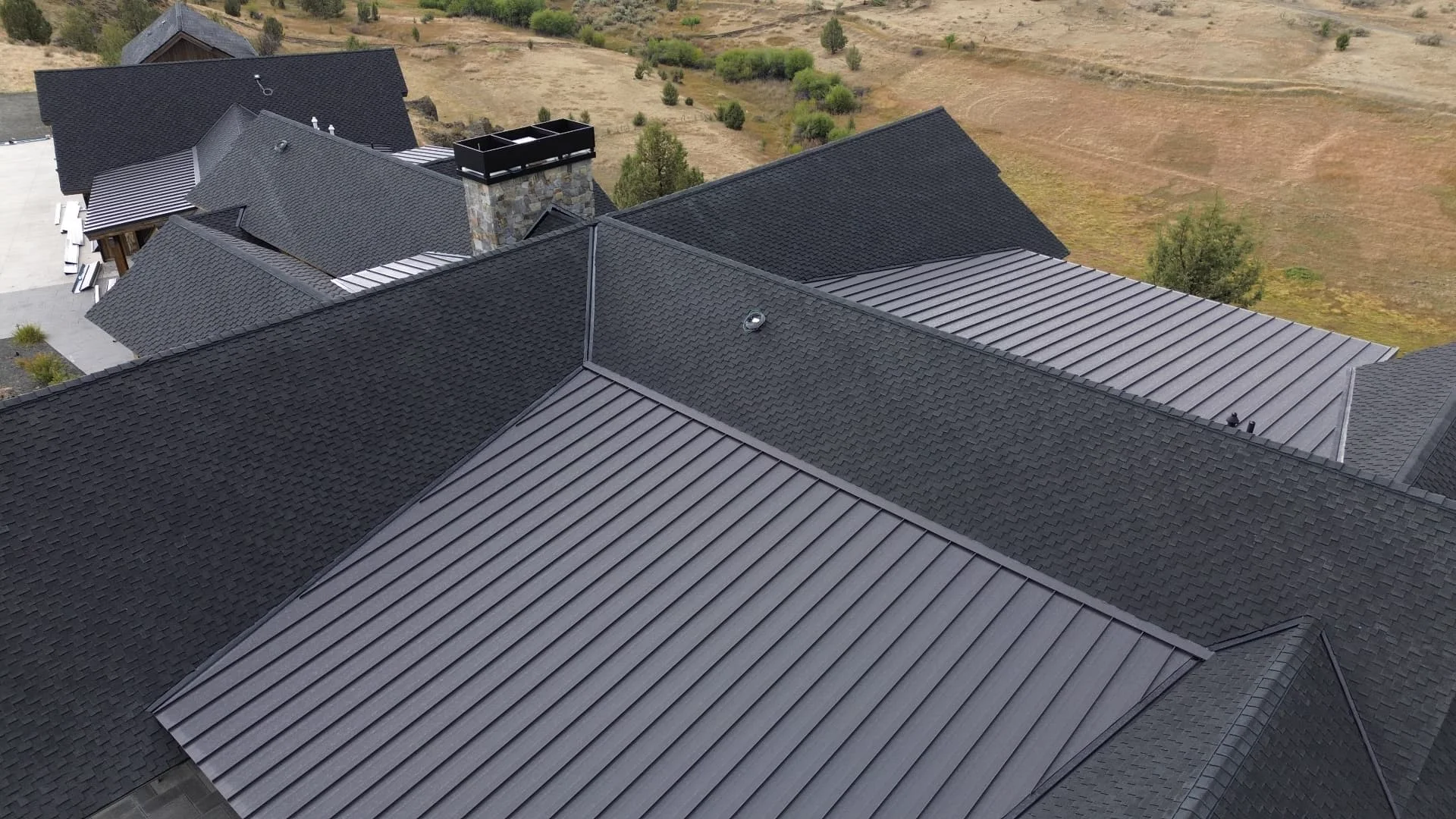
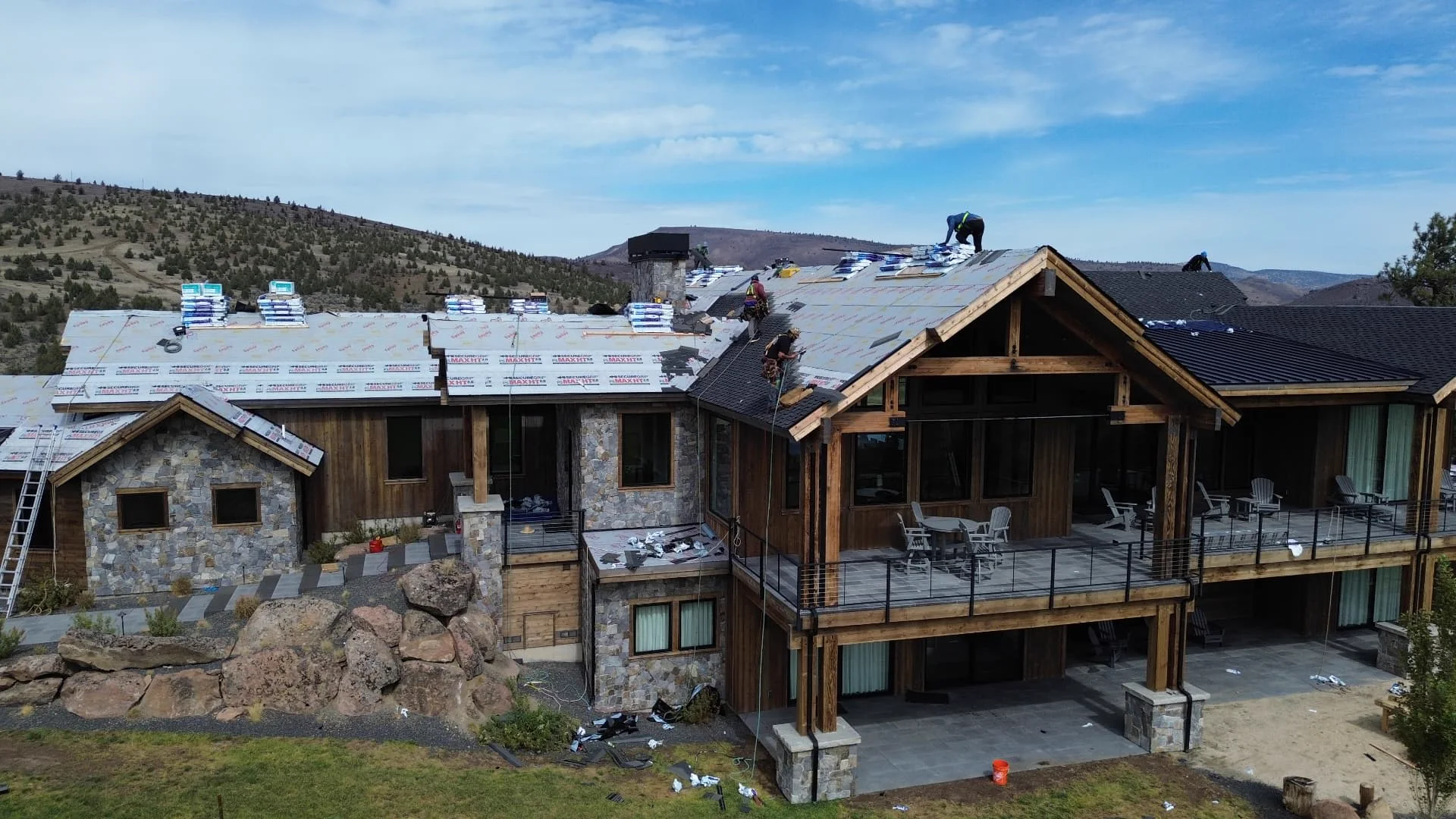
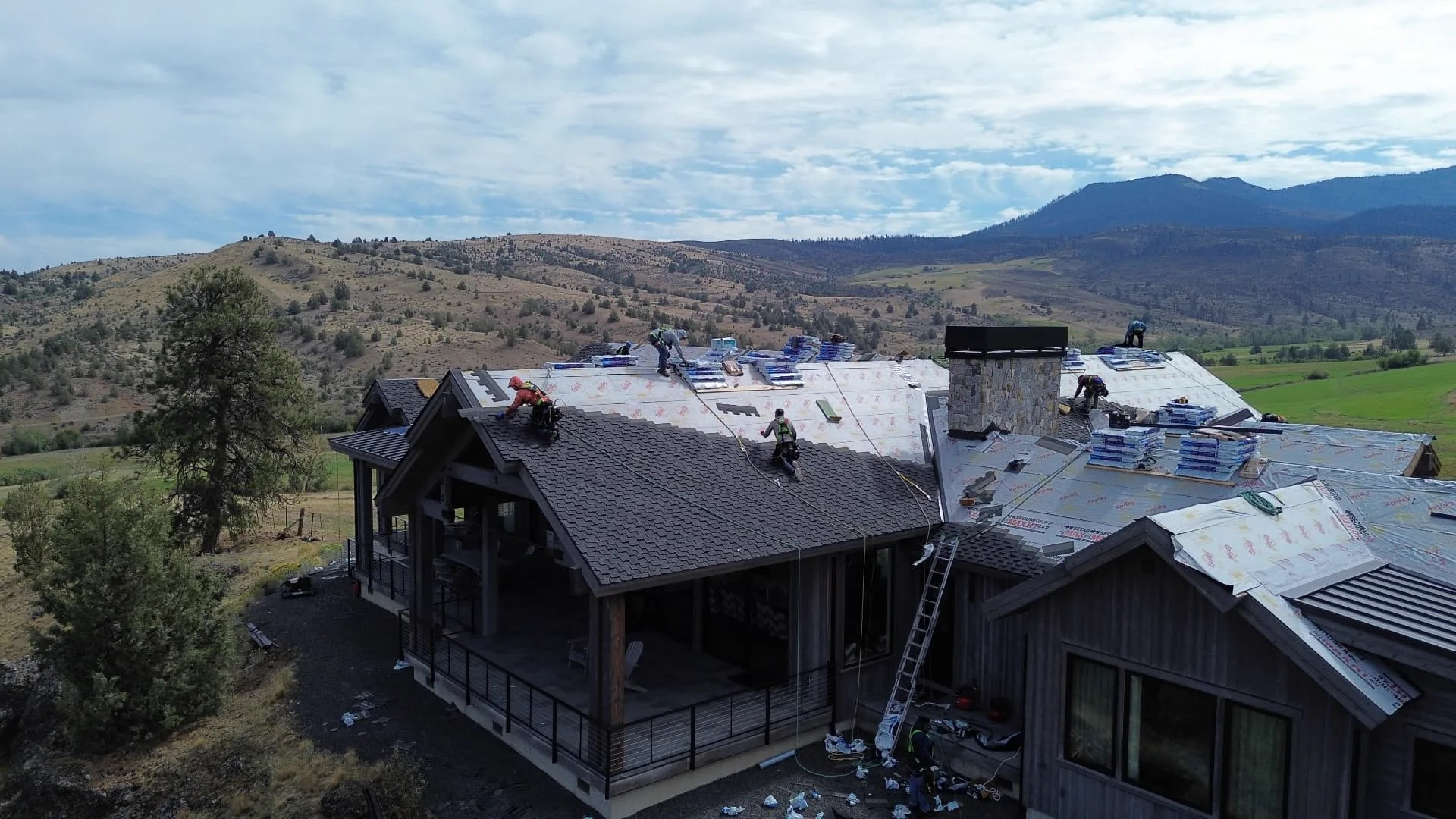
Related Guidance
- Roof repair in Salt Lake City
- Roof replacement in Salt Lake City
- Storm damage in Salt Lake City
- Hail damage in Salt Lake City
- Metal roofing in Salt Lake City
- Commercial roofing in Salt Lake City
- Wasatch Front roofing
- Utah overview
- Ice dams
- Roof ventilation
- Utah hail damage guide
- Wasatch Front roofing guide
- Free roof inspection
Frequently Asked Questions
Where is DryInside's Farmington office?
240 N. East Promontory, Suite 200, Farmington, UT 84025. Phone (801) 400-4719.
Does DryInside handle hail damage in Salt Lake City?
Yes. We inspect, document and repair or replace hail-damaged roofs and related exterior parts.
Do you help with insurance claims?
We document observed damage and can share it with your carrier. We are not a public adjuster and don't guarantee claim outcomes.
What roofing material is best in Salt Lake City?
It depends on the home and budget. Architectural asphalt and standing seam metal are the most common.
Do you work on commercial buildings?
Yes: inspections, repairs, storm documentation and replacement planning.
Which areas does the Farmington office serve?
The Wasatch Front from Ogden to Herriman, plus the Moab service area.
Does hail always mean a new roof?
No. Many hail marks are cosmetic or repairable. Replacement depends on how widespread the functional damage is.
Can wind-damaged shingles be repaired?
Often, if the surrounding roof is sound and shingles can be matched.
How soon should I get an inspection after a storm?
As soon as it's safe. Check your policy for claim reporting deadlines.
Why does my roof leak in winter but not in summer?
Ice at the eaves or meltwater reaching a flashing gap are common causes.
Do you repair metal roofs in Salt Lake City?
Yes, including fasteners, trim, flashing, seams and penetrations.
Is the roof inspection free?
Yes. DryInside offers free roof inspections across the Wasatch Front.
Not Sure What Your Roof Needs?
Schedule a free roof inspection. We'll document what we find and explain your options clearly.
DryInside is one of the family-owned roofing contractors in Oregon, Utah & Idaho, with offices in Bend, Farmington and Boise.