Tile Roofing: Distinctive Design with Specific Demands
Tile is heavy, durable-looking and distinctive. The tiles themselves are only part of the story: the underlayment beneath them does much of the waterproofing and eventually needs attention.
What Is a Tile Roof?
| Concrete tile | Clay tile | |
|---|---|---|
| Appearance | Many profiles and colors | Traditional, rich color |
| Weight | Heavy | Heavy, varies by profile |
| Repair matching | Often available | Can be harder to match on older roofs |
| Common issues | Cracks, surface wear | Cracks, chips, breakage |
Who It Works Well For
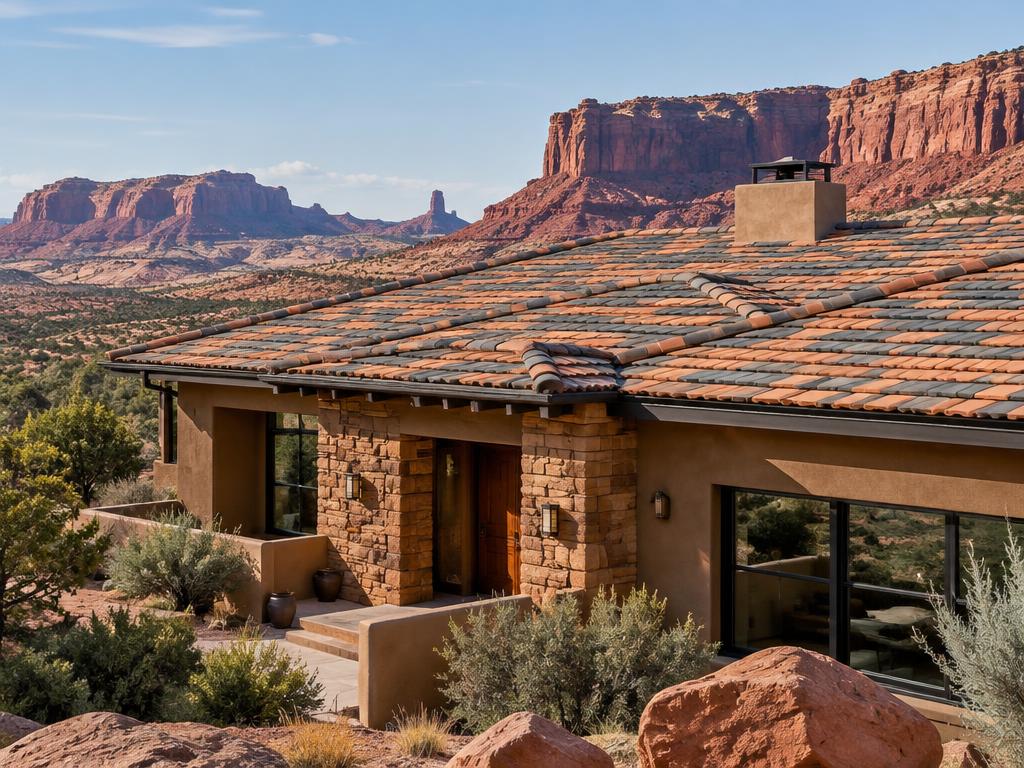
Tile suits homes designed for it: Mediterranean, Southwest and some contemporary styles, with framing sized for the weight.
- Homes originally built for tile
- Owners who want a distinctive profile
- Southern Utah and high-desert architecture
- Structures confirmed to carry tile weight
Tradeoffs
Tile is not a casual walking surface. Foot traffic from satellite installers, painters or holiday lighting frequently cracks tiles, and cracked tiles are easy to miss from the ground.
- Weight requires suitable framing
- Tiles crack under foot traffic or hail
- Underlayment ages beneath intact-looking tiles
- Freeze/thaw can stress some tiles
Repair Considerations
Replacing broken tiles is often practical if compatible tiles are available. When leaks come from aged underlayment, tiles may need to be lifted and reset over new underlayment.
Replacement Considerations
A tile 'replacement' sometimes means reusing sound tiles over new underlayment and flashing. Other times new tile or a different system makes more sense. We explain which applies and why.
Weather and Hail
Hail can chip or crack tile. Snow and ice in Northern Utah and Central Oregon require attention to valleys and eaves. In Moab, heat and UV mainly affect underlayment and exposed sealants.
Tile Manufacturer Experience
Boral Tile is among the established tile manufacturers we work with. Product selection still depends on structural capacity, profile compatibility, climate exposure and the condition of the underlayment beneath the tile.
Questions to Ask Before Choosing
Good decisions come from asking about the whole system, not just the surface material.
- Can my roof structure carry tile weight?
- What condition is the underlayment beneath existing tile?
- Are replacement tiles still available?
- How will flashing at walls and valleys be handled?
- Who can walk the roof safely without breaking tiles?
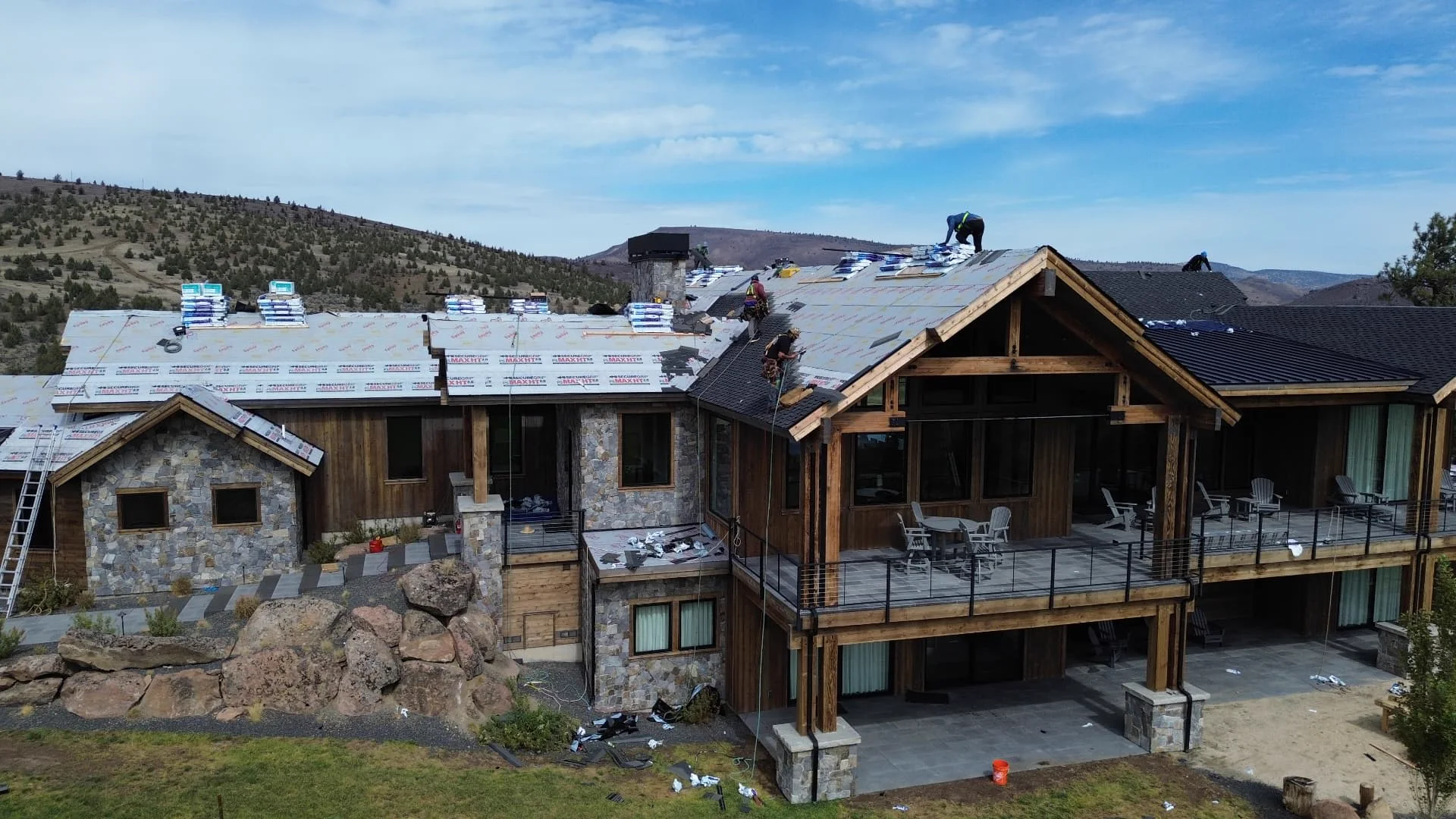
DryInside Gallery
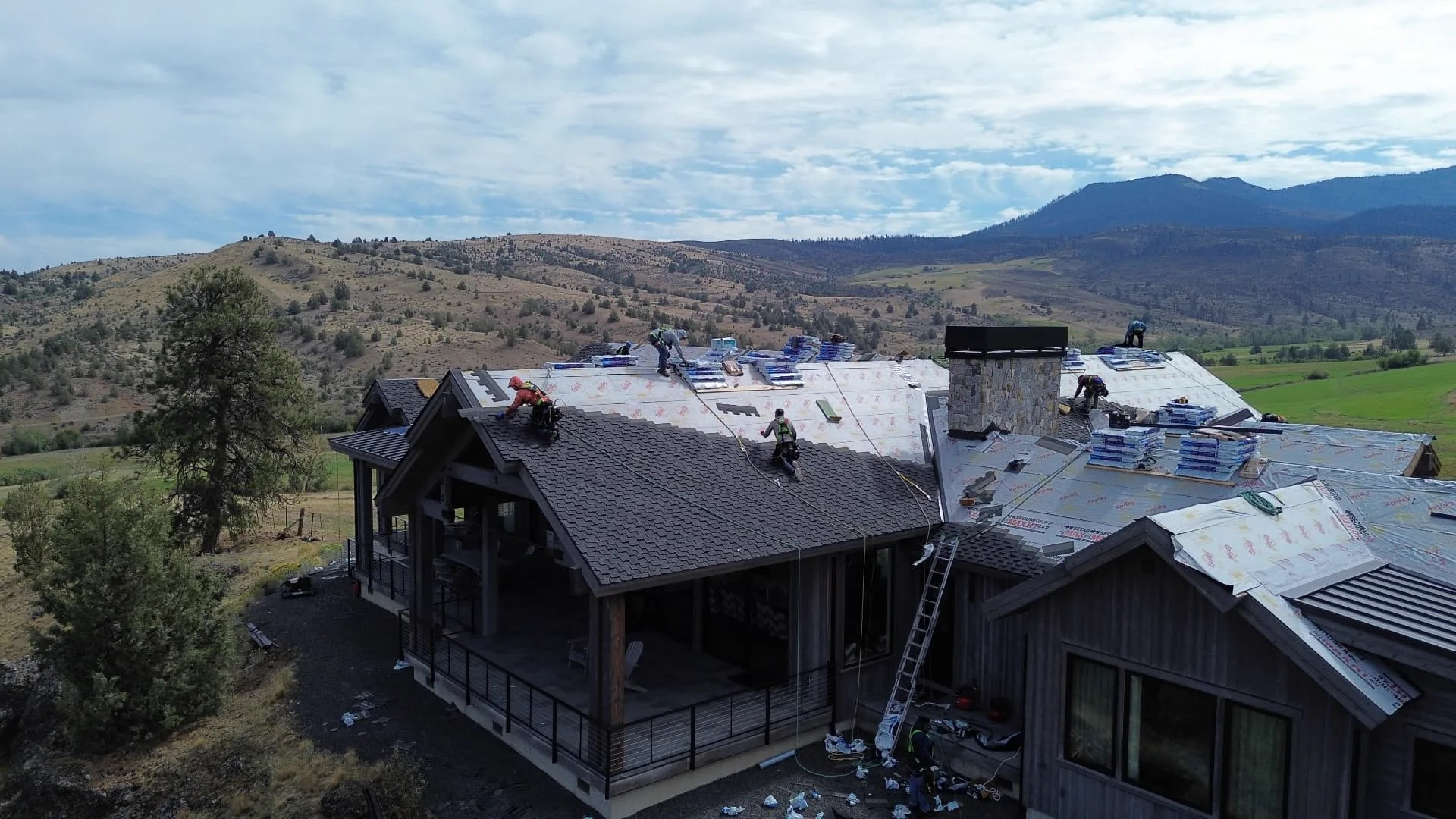
See real DryInside work, including finished roofs, installation details, tear-offs and active jobsites.
Recent DryInside Roofing Work
View Gallery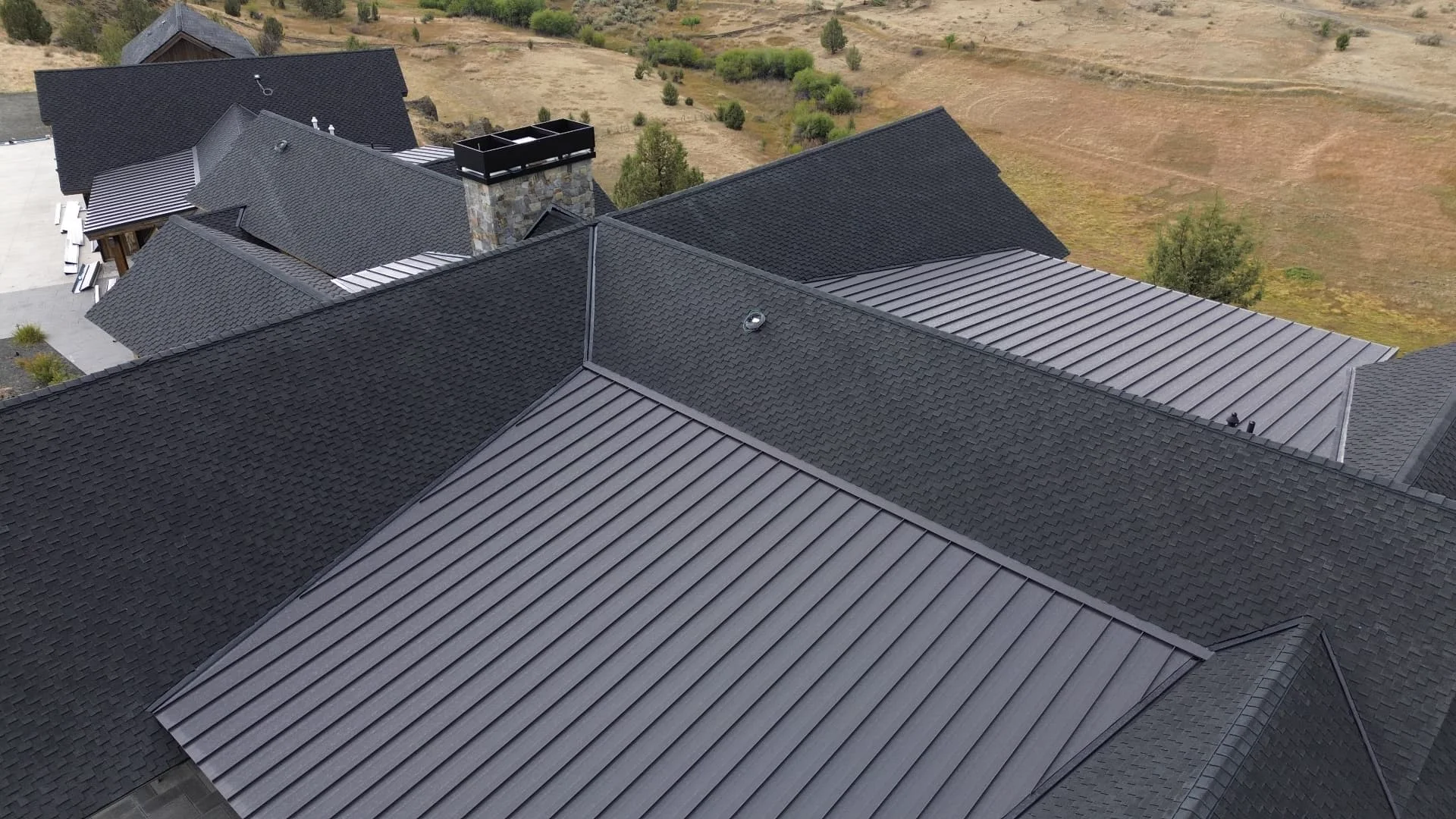
Frequently Asked Questions
Why is my tile roof leaking when the tiles look fine?
The underlayment beneath tile does much of the waterproofing. It can deteriorate while the tiles look intact.
Can I walk on a tile roof?
It is best avoided. Tiles crack easily under foot traffic. Our crews use techniques to reduce breakage during inspection and repairs.
Can a few broken tiles be replaced?
Usually, if matching or compatible tiles are available and the underlayment is serviceable.
Can I switch from tile to another material?
Often yes. Stone-coated steel is a common alternative that keeps a similar look with less weight.
Do you offer free roof inspections?
Yes. DryInside offers free roof inspections in Central Oregon, Utah and select Idaho communities.
Not Sure What Your Roof Needs?
Schedule a free roof inspection. We'll document what we find and explain your options clearly.
DryInside Roofing and Exteriors is a family-owned residential & commercial roofing contractor licensed in Oregon, Utah and Idaho.