
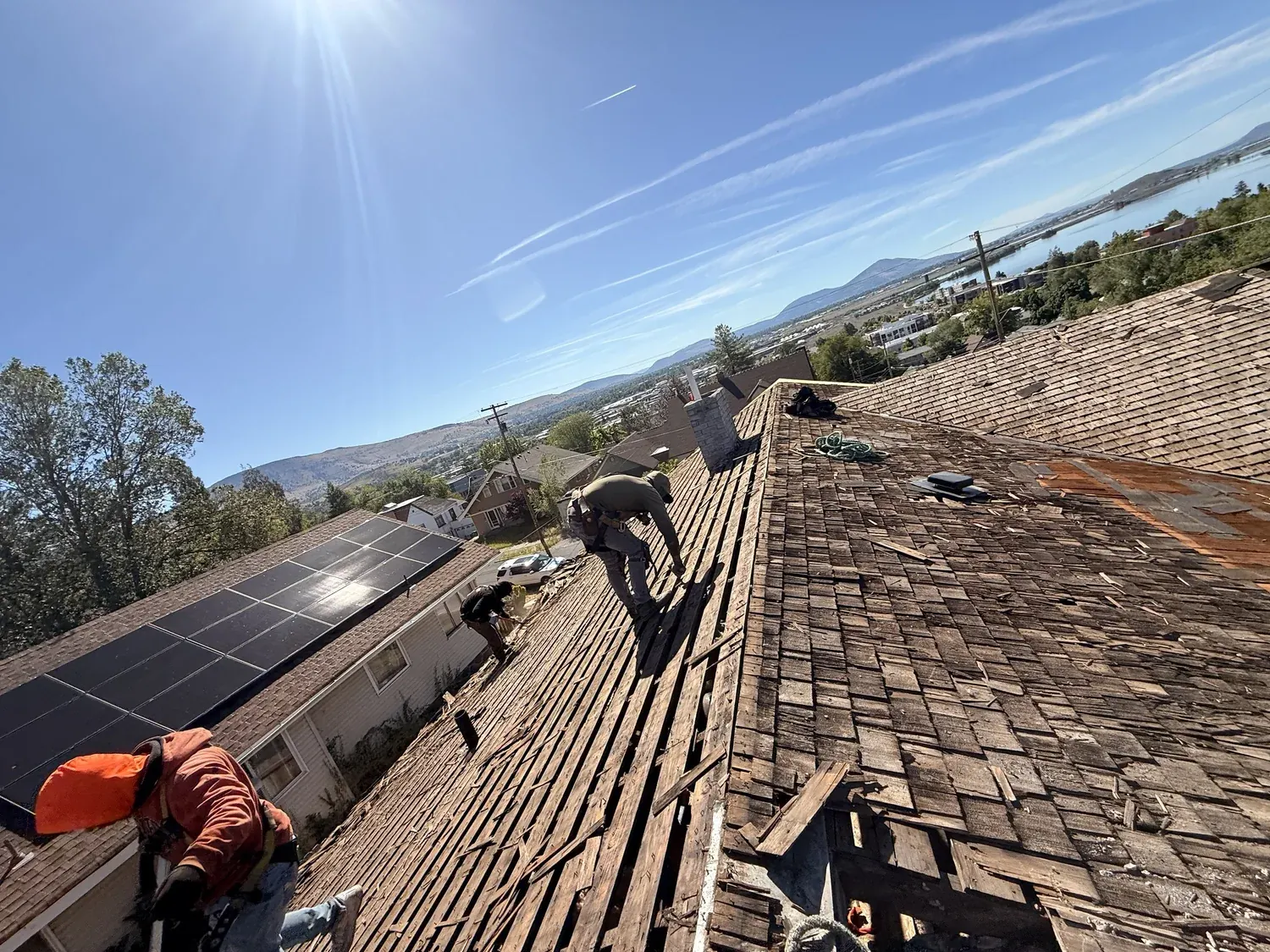
Storm Damage Roofing & Exterior Restoration
Storm restoration is a core part of what DryInside does. We inspect the roof and connected exterior, document what the storm actually did, and help you decide between repair, replacement or simply monitoring.
Where Storms Leave Evidence
01 · WHERE STORMS LEAVE EVIDENCE
Roof surface
Hail bruises, cracked or missing shingles, dented metal panels and broken tiles.
Learn moreWhat Kind of Storm Hit Your Property?
Different weather leaves different evidence. Start with what happened.
Hail
Impacts on shingles, metal, tile, vents, gutters and siding. Most common along the Wasatch Front.
Learn moreWind
Blown-off, lifted or creased shingles; ridge, edge and flashing damage.
Learn moreRain & Water Intrusion
Wind-driven rain through lifted materials or flashing, showing up as new stains.
Learn moreSnow & Ice
Heavy loads, ice dams and freeze/thaw stress at eaves and valleys.
Learn moreFallen Debris
Limbs and debris puncturing roofing or decking.
Learn moreBeyond the Roof
Gutters, siding, trim and exterior metal.
Learn moreComponents We Check
Storm damage is rarely limited to one part of the roof.
| Component | Storm effects |
|---|---|
| Roof surface | Hail impacts, missing or creased shingles, dents, broken tiles |
| Ridge | Lifted or missing caps from wind |
| Flashing | Bent or displaced metal at walls, chimneys, valleys |
| Vents & soft metals | Dents that help confirm hail size and direction |
| Gutters | Dents, split seams, detachment from ice or wind |
| Siding & trim | Cracks, holes, spatter marks, loose pieces |
| Commercial roofs | Membrane punctures, lifted edges, damaged curbs and drains |
Storm Damage You Can See vs Damage That Requires Inspection
Some storm damage is obvious from the yard. Much of it is not.
Stay off the roof. Photograph what you can see safely and schedule an inspection.
| Often visible from the ground | Usually requires a close inspection |
|---|---|
| Missing shingles or ridge caps | Hail bruising and mat fractures on shingles |
| Shingles on the lawn | Creased shingles that lay back down |
| Dented gutters and downspouts | Unsealed shingle adhesive strips |
| Fallen limbs on the roof | Cracked tiles and dented metal seams |
| New ceiling stains | Loosened flashing at walls and chimneys |
Storm Damage Does Not Automatically Mean Roof Replacement
Localized damage on a sound roof can often be repaired. Replacement becomes reasonable when damage is widespread, repairs wouldn't hold or the roof was already near the end of its service. The inspection should establish which.
Repair vs Replacement After a Storm
The storm is only half the question. The condition of the roof before the storm matters just as much.
| Leans toward repair | Leans toward replacement |
|---|---|
| Damage on one or two slopes | Damage across most slopes |
| Surrounding material flexible and sealed | Brittle or already worn material |
| Matching material available | Material can't be matched |
| Deck solid | Deck damaged by impact or water |
Inspection and Documentation
We inspect accessible areas, photograph noteworthy conditions and explain what we found in plain language.
Exterior Damage
Storms don't stop at the roof edge. Gutters, siding, trim and soft metals are checked in the same inspection and can be restored alongside the roof.
Commercial Storm Damage
On commercial roofs, hail can bruise or puncture membranes and dent metal panels, and wind lifts perimeter edges and flashing. Documentation helps owners and managers plan repairs and talk with carriers.
Insurance-Related Roofing Process
DryInside can inspect, document observed conditions, prepare roofing scope information and meet with an adjuster when appropriate. Your insurance carrier determines coverage, claim approval and payment.
- 1. Storm occurs; protect the property
- 2. DryInside inspects and documents
- 3. You decide whether to contact your carrier
- 4. Adjuster inspects; we can attend when appropriate
- 5. Carrier issues its decision
- 6. Agreed work is scheduled and completed
Active Leak or Major Damage?
If water is coming in or part of the roof is missing, call now. Bend & Central Oregon: (541) 241-6059. Utah & Idaho: (801) 400-4719.
In Salt Lake City & the Wasatch Front
Hail, wind and heavy rain cause most storm damage along the Wasatch Front. See storm damage in Salt Lake City.
In Bend & Central Oregon
In Central Oregon, wind, heavy snow, ice and falling limbs cause most storm damage. See storm restoration in Bend.
Storm Damage Across Our Regions
Weather patterns differ across the areas we serve, so the evidence we look for changes too.
Salt Lake City & the Wasatch Front
Summer thunderstorms with hail, canyon wind events and heavy winter snow. The most frequent storm inspection area we serve from the Farmington office.
Learn moreBend & Central Oregon
Heavy snow, ice dams, freeze/thaw cycles, wind and occasional summer hail. Served from the Bend office.
Learn moreMoab & Southeastern Utah
Sudden monsoon storms, strong wind, intense UV and large temperature swings that stress already-aged materials.
Learn moreRegional Hubs
See the communities we serve across the Wasatch Front, Central Oregon and Southeastern Utah.
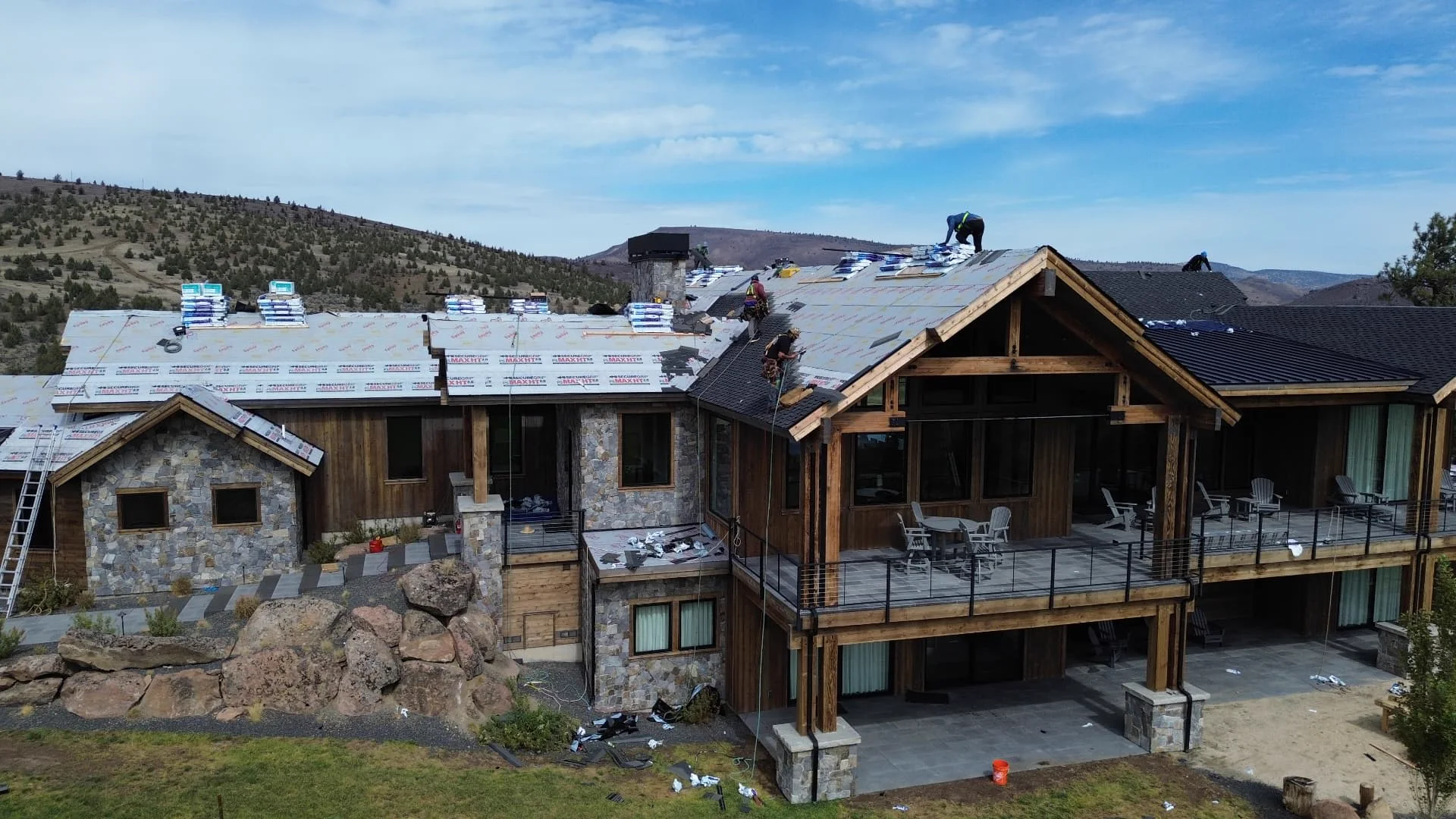
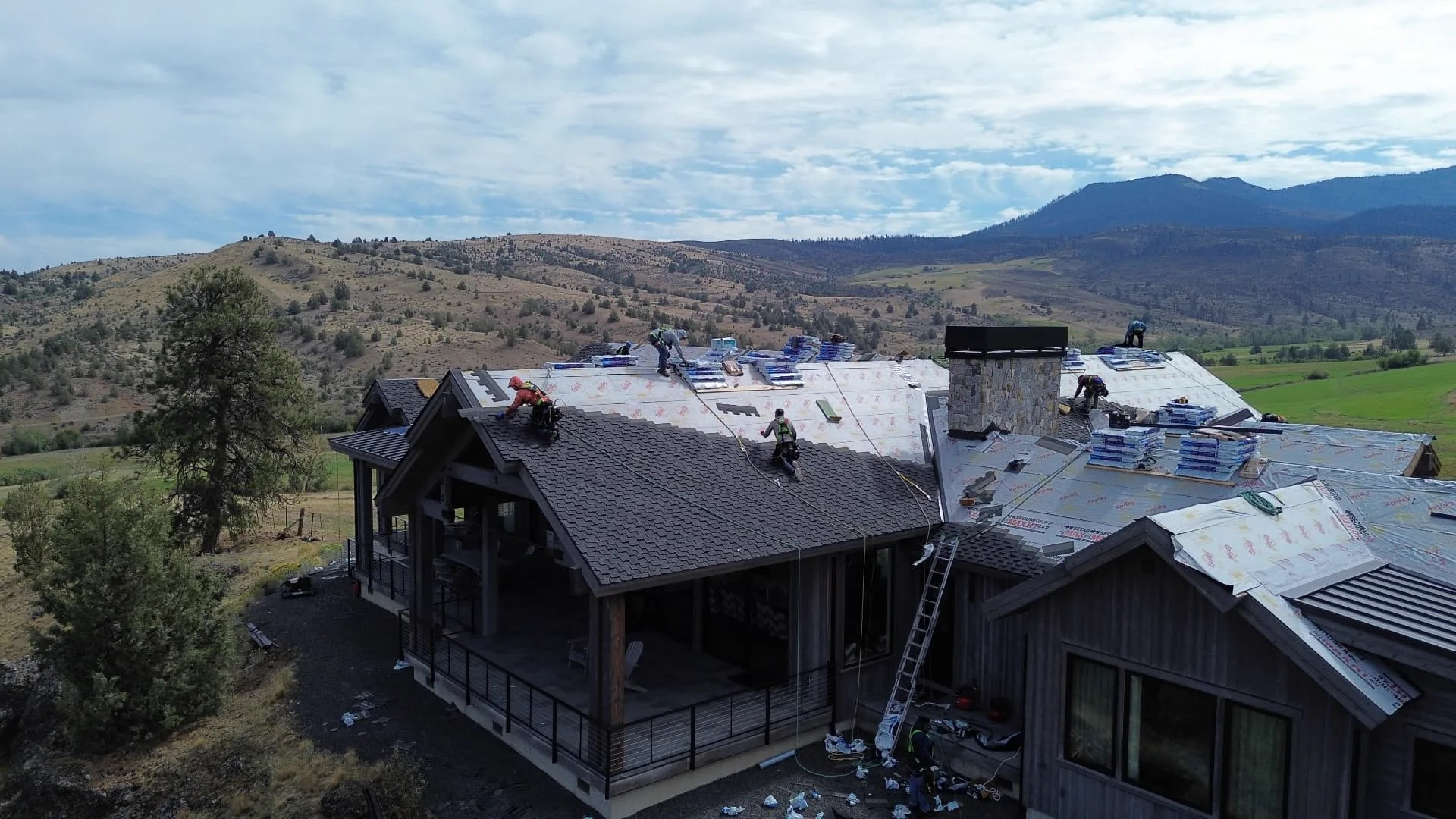
Learn moreRecent DryInside Roofing Work
View Gallery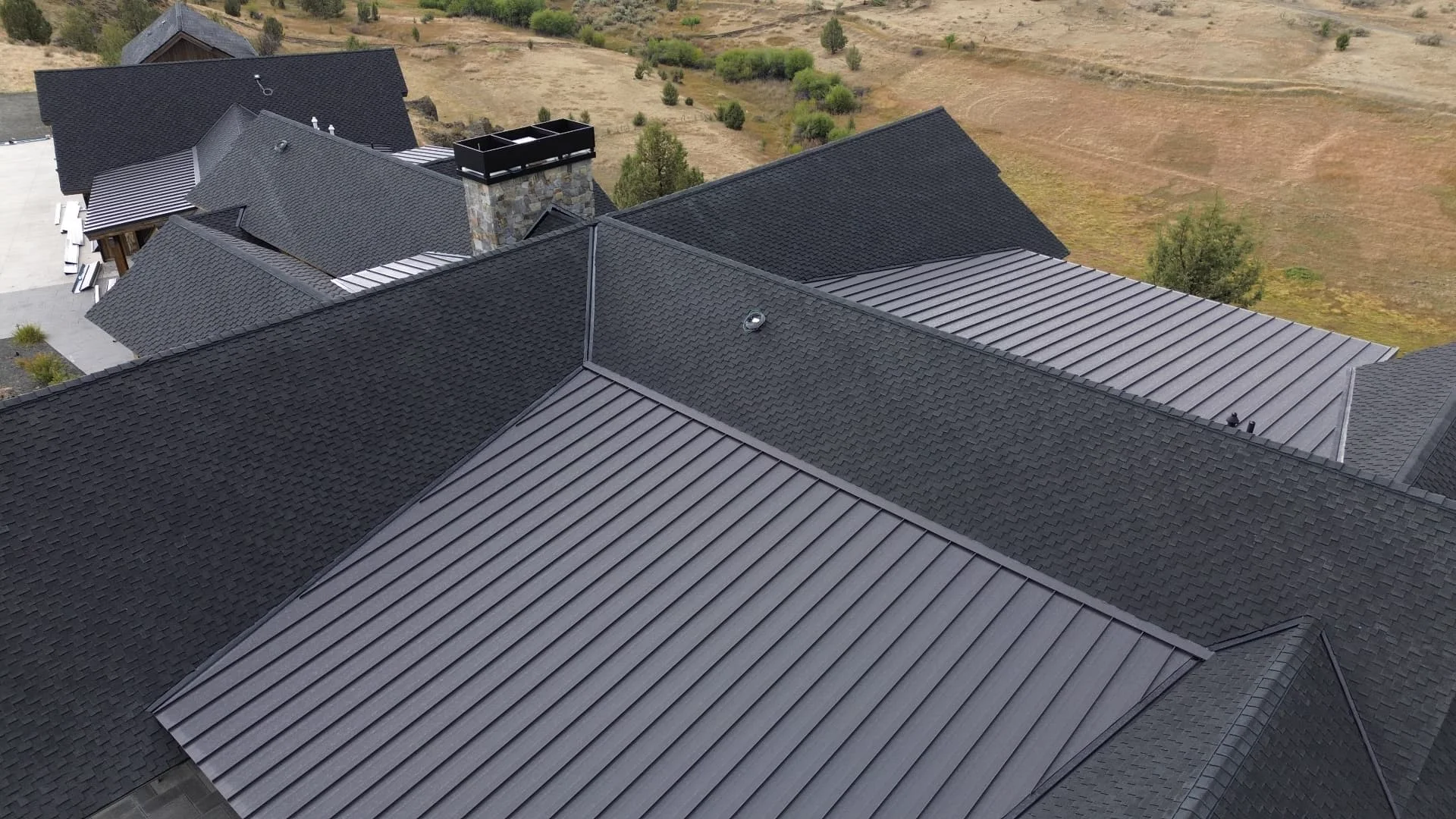
Related Guidance
- Hail Damage Roofing Inspections & Restoration
- Wind Damage to Roofing: What to Look For
- Storm Damage Inspections That Clarify the Next Step
- Emergency Roof Repair for Active Damage
- Roofing & Exterior Insurance Claim Assistance
- Exterior Storm Damage Beyond the Roof
- Salt Lake City roofing
- Wasatch Front
- Bend roofing
- Central Oregon
- Moab roofing
- Southern Utah
Frequently Asked Questions
What should I do right after a storm?
If water is entering, call the regional office. Otherwise, photograph what you can safely see from the ground and schedule an inspection.
Can storm damage be repaired?
Often, when it's localized and the surrounding roof is still serviceable.
Can you tell from photos whether my roof has storm damage?
Photos add context, but an on-site inspection is needed for a reliable assessment.
Does DryInside guarantee insurance approval?
No. DryInside inspects and documents observed conditions. Your insurance carrier determines coverage, claim approval and payment.
Not Sure What Your Roof Needs?
Schedule a free roof inspection. We'll document what we find and explain your options clearly.
Learn more about DryInside, your local roofing contractor, and how we document storm damage before any work begins.