
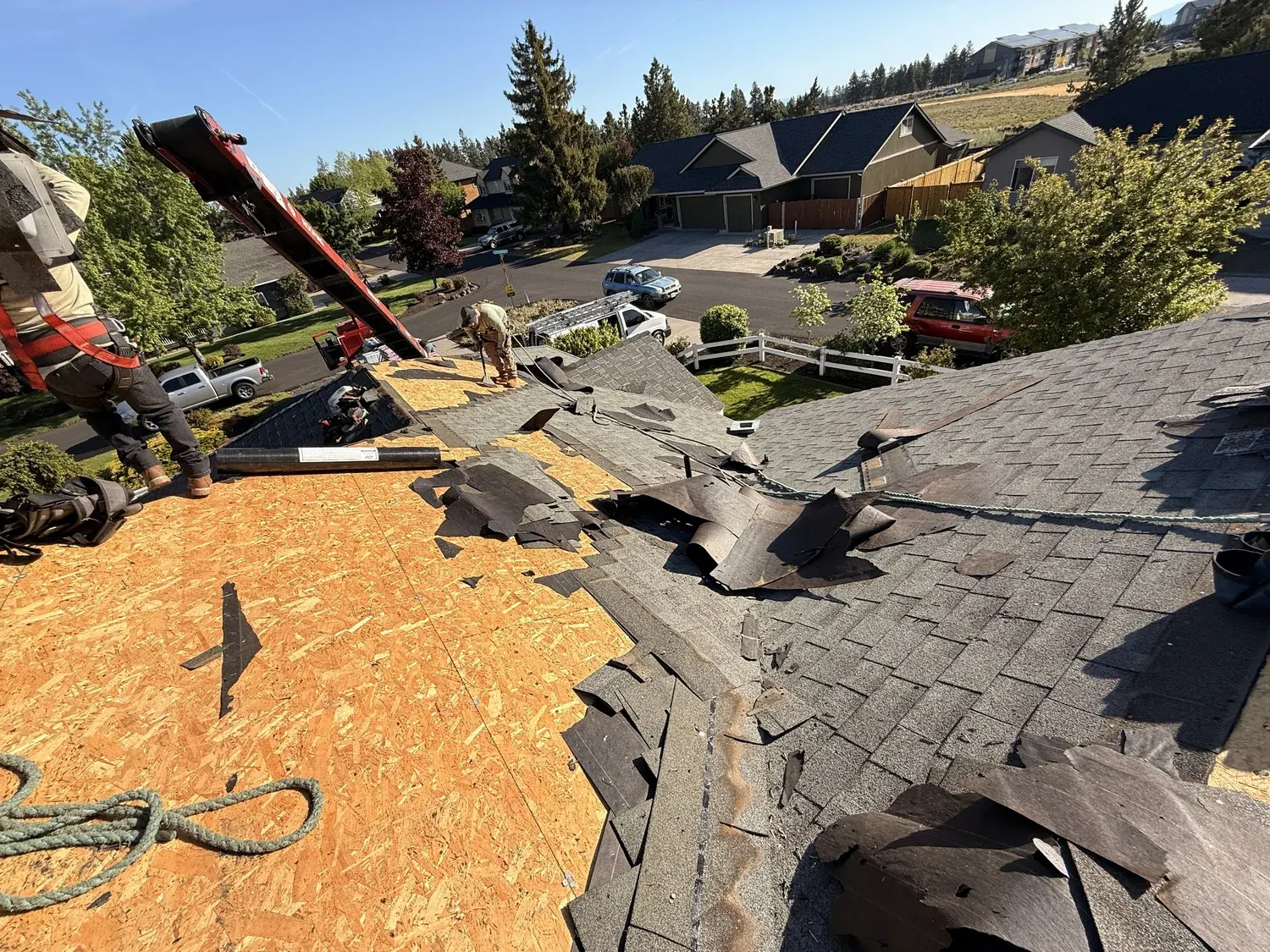
Storm Damage Inspections That Clarify the Next Step
After severe weather, the goal is simple: find out what actually happened to the roof and exterior, document it, and understand your options before anything else.
What We Inspect
- Roof surface, ridge and hips
- Flashing, valleys and penetrations
- Vents, pipe jacks and soft metals
- Gutters and downspouts
- Siding, trim and exterior metal
- Membranes, seams and drains on commercial roofs
01 · WHERE STORMS LEAVE EVIDENCE
Roof surface
Hail bruises, cracked or missing shingles, dented metal panels and broken tiles.
Learn moreWhat to Tell Us
A few details make the inspection faster and more accurate: the storm date, your roof material if you know it, and any visible symptoms.
- Date and approximate time of the storm
- Type of weather: hail, wind, heavy rain, snow
- Hail size if you saw it
- Any new leaks or ceiling stains
- Photos you took safely from the ground
- Other damage such as dented cars or fences
Photo Documentation
We photograph noteworthy conditions so you can see what we saw. Documentation helps whether you choose repair, replacement, monitoring or to contact your insurance carrier.
Exterior Inspection
Gutters, siding, trim and soft metals are checked in the same visit. They often confirm hail size and direction and can need their own repairs.
Every Material Is Different
Shingles, metal, tile, stone-coated steel and low-slope membranes each show storm damage in different ways. We evaluate the actual material on your roof.
Repair, Replacement or Neither
Some inspections find nothing storm-related. Some find repairable damage. Some find enough damage that replacement makes sense. We explain which and why.
What Happens Afterward
You'll know what we observed and what we recommend. From there, you decide. When you're ready, schedule a storm damage inspection.
- 1. Review findings and photos together
- 2. Choose repair, replacement or monitoring
- 3. Contact your carrier if you choose to file a claim
- 4. Schedule approved work
Storm Damage Across Our Regions
Weather patterns differ across the areas we serve, so the evidence we look for changes too.
Salt Lake City & the Wasatch Front
Summer thunderstorms with hail, canyon wind events and heavy winter snow. The most frequent storm inspection area we serve from the Farmington office.
Learn moreBend & Central Oregon
Heavy snow, ice dams, freeze/thaw cycles, wind and occasional summer hail. Served from the Bend office.
Learn moreMoab & Southeastern Utah
Sudden monsoon storms, strong wind, intense UV and large temperature swings that stress already-aged materials.
Learn moreRegional Hubs
See the communities we serve across the Wasatch Front, Central Oregon and Southeastern Utah.
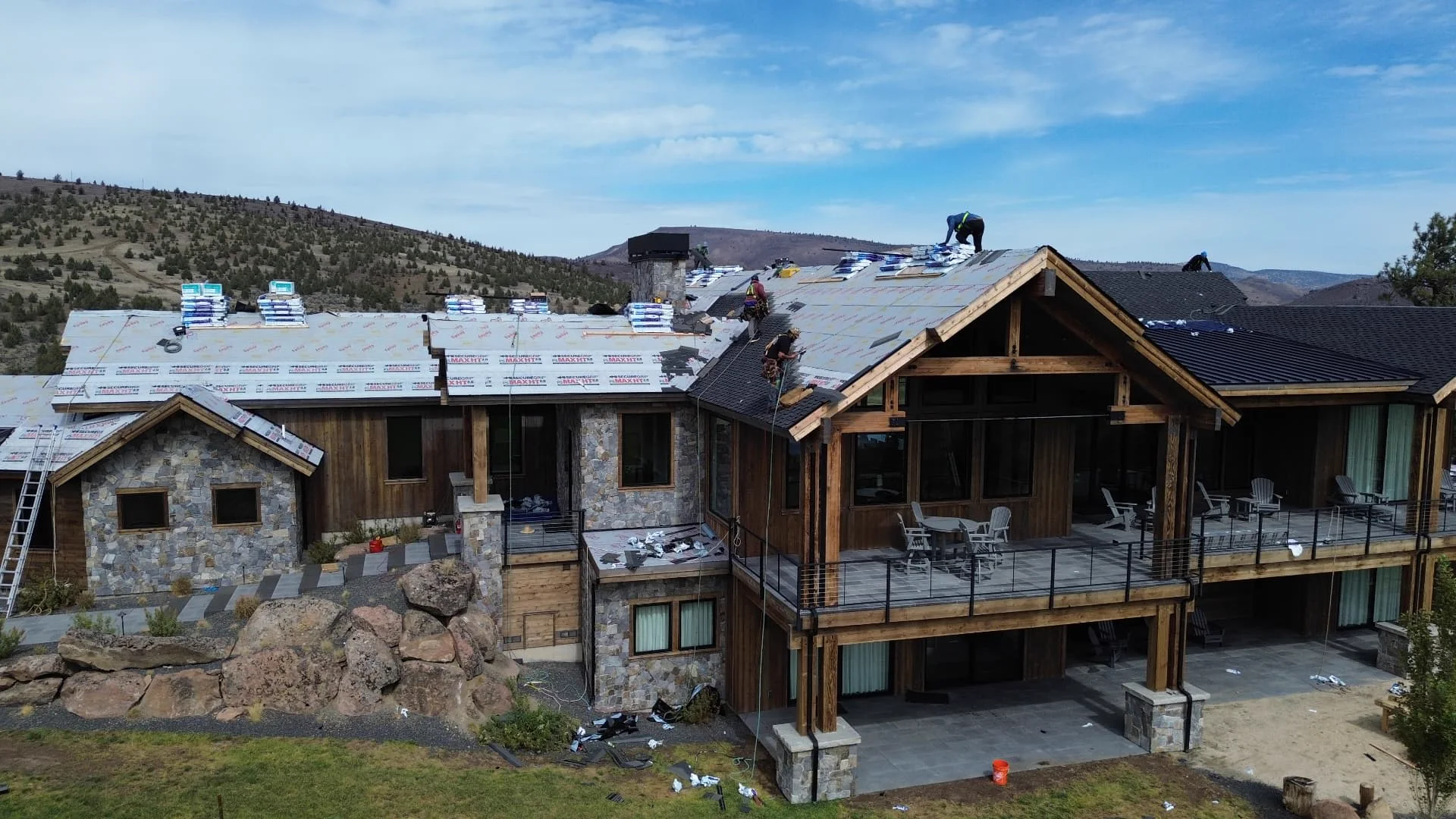
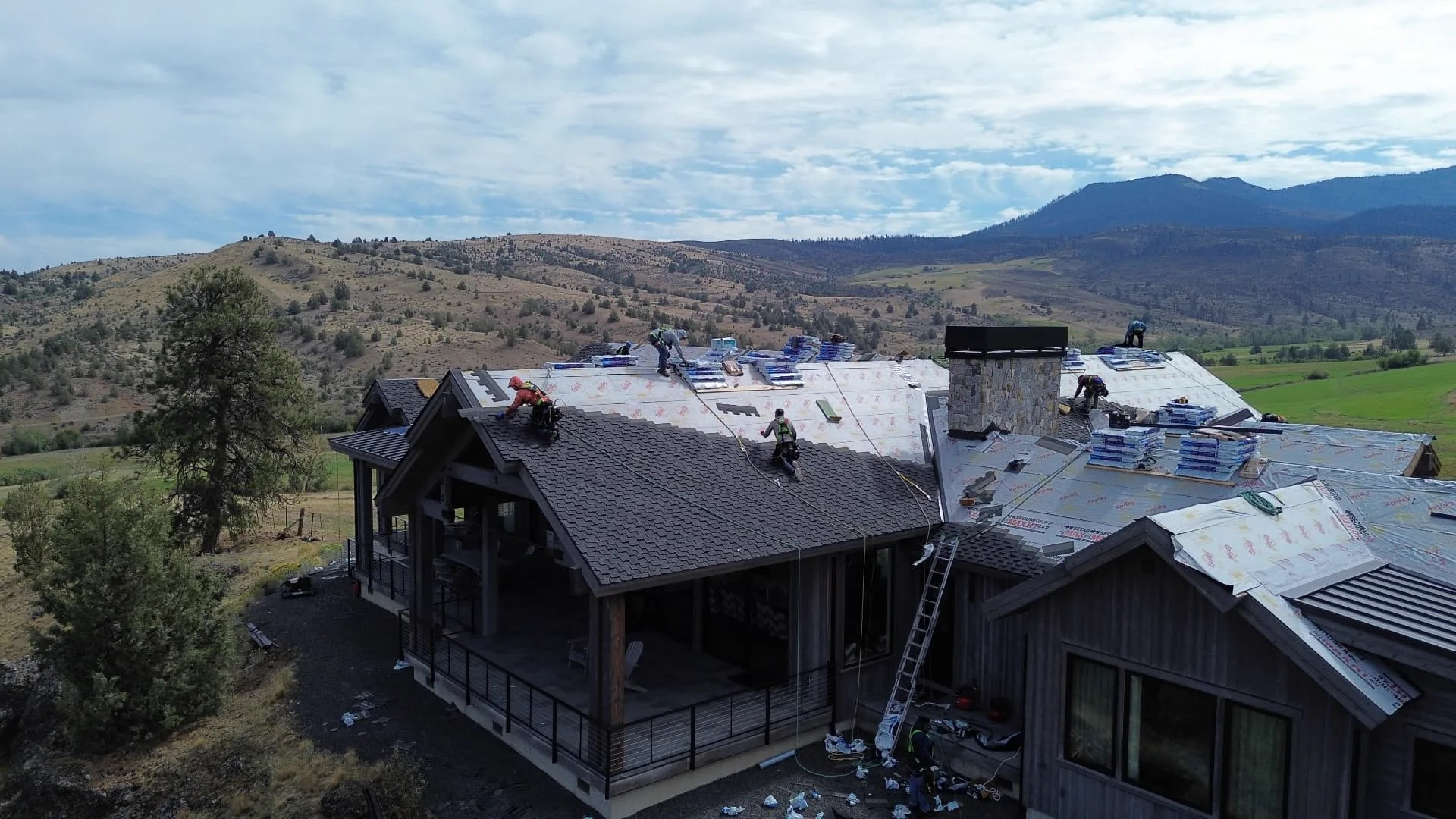
Learn moreRecent DryInside Roofing Work
View Gallery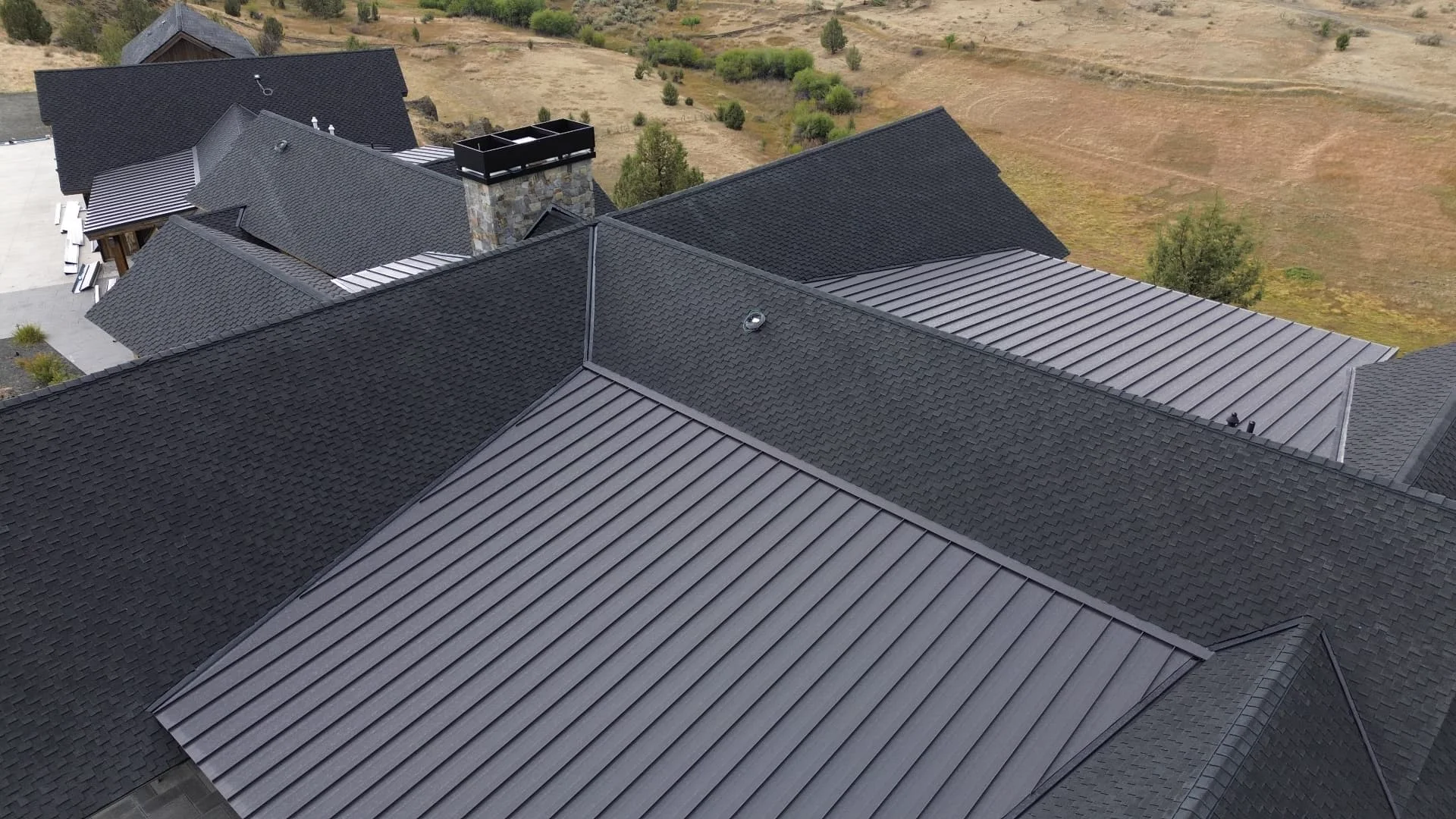
Frequently Asked Questions
Is the storm inspection free?
Yes. DryInside offers free roof inspections, including after storms.
How soon after a storm should I schedule?
As soon as practical. If water is entering, call right away. Otherwise, schedule once the weather has cleared.
Can you inspect from photos?
Photos help, but they can't replace an on-site inspection.
Does DryInside guarantee insurance approval?
No. DryInside inspects and documents observed conditions. Your insurance carrier determines coverage, claim approval and payment.
Not Sure What Your Roof Needs?
Schedule a free roof inspection. We'll document what we find and explain your options clearly.
Learn more about DryInside, your local roofing contractor, and how we document storm damage before any work begins.